

 Products
 Skincare
 Vegan skincare
 Specific Skincare
 Advent calendar 2026
 Hair Care
 Makeup
 SALE
SALE
 Brands

Pimples from sunscreen? This is why it happens
Do you get pimples from sunscreen? You are not the only one. Especially with acne-prone or combination skin, the wrong SPF can cause small bumps, clogged pores or inflammation.
But stopping sunscreen is not the solution. SPF protects your skin against dark spots, scars and worsening inflammation. It is all about choosing the best sunscreen for acne-prone skin.
Why do I get pimples from sunscreen?
1. Heavy oils & occlusive ingredients
Richer sunscreens sometimes contain ingredients that form a protective layer. Great for dry skin, but on acne-prone skin they can clog pores more easily.
Ingredients to watch out for:
- Cocos Nucifera (Coconut) Oil
- Isopropyl Myristate
- Ethylhexyl Palmitate
- Myristyl Myristate
- High concentrations of Shea Butter
- Alcohol (read our blog about sunscreen without alcohol!)
These ingredients are not “bad”, but they may act more comedogenic on oily skin, especially in warm weather!
2. Too many layers in your routine
A rich moisturizer + serum + oil + thick SPF can simply be too much. Sometimes sunscreen pimples already improve when you switch to a lighter day cream.
3. Insufficient cleansing
Sunscreen needs to be removed properly in the evening. SPF residue combined with sebum and dirt can clog pores. A gentle double cleanse helps prevent this.
4. Alcohol & irritation
Alcohol Denat. can make an SPF feel lighter, but in high concentrations it can dry out the skin. Dehydrated skin may produce even more sebum, which can lead to pimples.
What can you do against sunscreen pimples?
- Choose a lightweight gel, serum or essence SPF.
- Use a double cleanse in the evening.
- Keep your morning routine simpler.
- Choose an SPF with calming ingredients such as niacinamide or centella.
- Or choose mineral sunscreen.
Which sunscreen does not cause pimples?
No sunscreen can guarantee 100% that you will not get pimples. But lightweight textures without heavy oils are often more suitable for acne-prone skin.
Look for:
- Gel or watery textures
- Niacinamide, which supports sebum regulation
- Centella Asiatica, which helps calm the skin
- Green Tea extract, an antioxidant
- Hyaluronic Acid for lightweight hydration
Best sunscreen for acne-prone skin: 3 lightweight favorites

Hyalu-Cica Water-Fit Sun Serum
SKIN1004
Serum texture, lightweight and calming thanks to centella. Ideal for sensitive acne-prone skin.
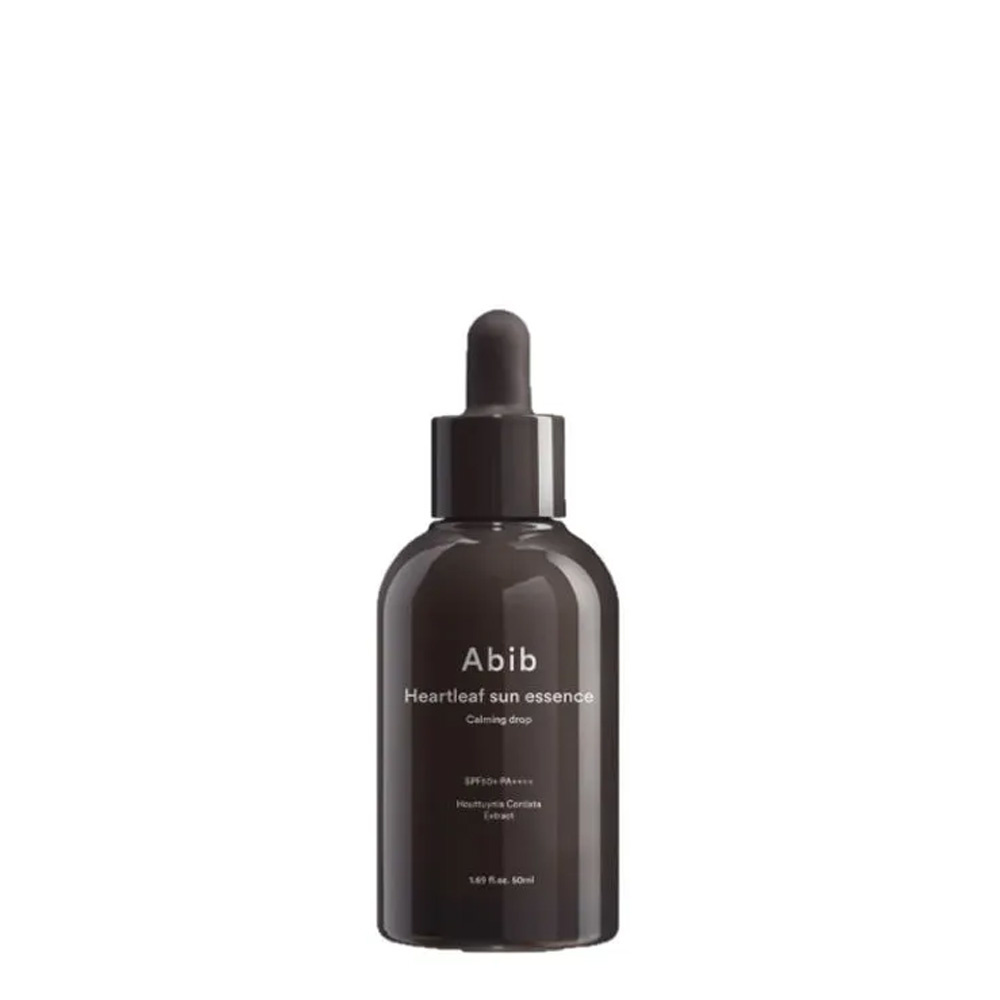
Heartleaf Sun Essence Calming Drop
Abib
Essence-like SPF that feels fresh on the skin and helps calm redness.

Green Tea Fresh Sunscreen
Dr. Althea
Lightweight, refreshing and comfortable for combination or oilier skin.
Frequently asked questions
Is sunscreen good for acne?
SPF helps prevent acne scars and dark spots from becoming darker and helps reduce the worsening of inflammation caused by UV rays. So it is wise to use sunscreen.
What is the best sunscreen for acne-prone skin?
A lightweight, non-heavy formula such as a gel, essence or sun serum is best for acne-prone skin. Avoid thick, rich creams if you are prone to clogged pores.
What can you do against sunscreen pimples?
Switch to a lighter SPF, reduce heavy layers in your routine and make sure to cleanse properly in the evening. Especially if you notice that you get pimples from sunscreen.
View our full collection of face sunscreens here. Still not sure which one to choose, or would you like more information? Then read our ultimate SPF guide!
With love for skincare,
Little Wonderland.