

 Products
 Skincare
 Vegan skincare
 Specific Skincare
 Hair Care
 Makeup
 SALE
SALE
 Brands
 Viral K-Beauty

Ingredient explained: What is azelaic acid?
Azelaic acid is a powerful yet gentle ingredient widely used in Korean skincare. It helps keep skin clear, reduces redness and inflammation, and promotes a more even tone. This multitasker cleans deep, keeps pores clear, and helps calm redness and swelling. It also helps rebalance sebum production. In addition, azelaic acid has antioxidant properties, protecting the skin from environmental stressors and helping to prevent premature aging.
If you struggle with acne, rosacea, hyperpigmentation, or have sensitive skin, azelaic acid can work wonders. Unlike many other actives, it’s not harsh and is suitable for people who are prone to irritation or redness. The result: calmer, smoother, and fresher-looking skin.
Why is azelaic acid so versatile?
How does it work?
Naturally occurring in grains like wheat and barley, azelaic acid acts as a mild exfoliant. It boosts cell turnover, helping dullness and post-blemish marks fade more quickly. It also helps inhibit the growth of Cutibacterium acnes — the bacteria associated with acne — and reduces swelling in inflamed areas. It refines skin texture and helps with uneven tone while soothing the skin. That’s why azelaic acid is suitable for daily use, even if you experience redness or rosacea.
You’ll most often find it in serums or creams at concentrations between 5% and 15%. If you’re new to it, start lower. Avoid layering it right away with strong exfoliants like AHAs or BHAs — build up frequency gradually. Over time, azelaic acid helps skin look visibly smoother and brighter.
How to use & expected results
Apply azelaic acid on clean, dry skin — after cleanser and toner and before moisturizer. In the daytime, always finish with SPF, as actives can make your skin more sensitive to the sun. Start slowly with once per day. If your skin responds well, you can use it both morning and evening. Expect first improvements in 4–8 weeks: less redness, refined pores, and a more even tone.
Who is it for?
Azelaic acid suits all skin types, including sensitive or reactive skin. Oily or acne-prone skin benefits greatly, but dry, normal, and combination skin types also notice how calming and brightening it is. It’s an excellent alternative if you find retinol or strong acids too intense but still want an active with visible results.
Recommended Products with Azelaic Acid:
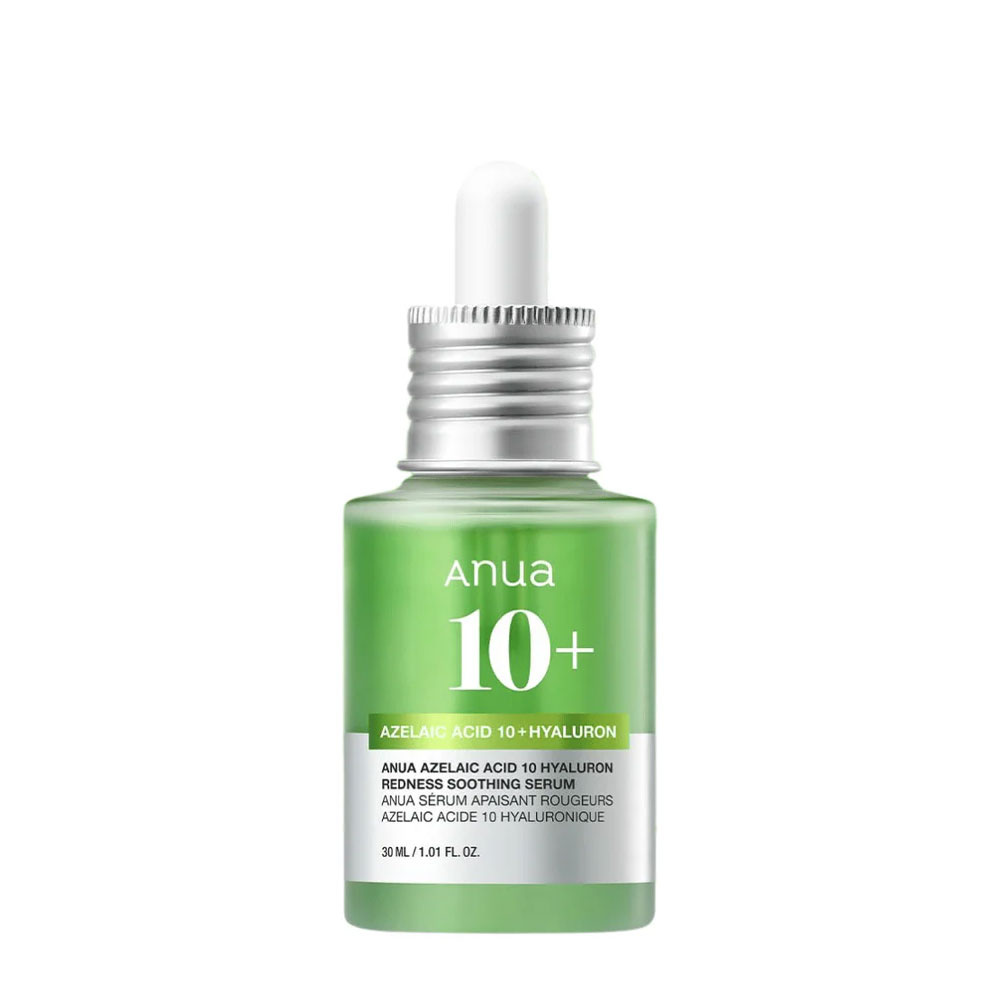
ANUA Azelaic Acid 10 Hyaluron Redness Soothing Serum – 30ml
Calming serum with ten percent azelaic acid and hyaluronic acid. Reduces redness, refines skin texture, and helps balance oil production.

Nine Less A Control Azelaic Acid Toner – 200ml
Brightening toner that keeps pores clear, calms redness, and controls shine. Ideal if you deal with breakouts or dullness.
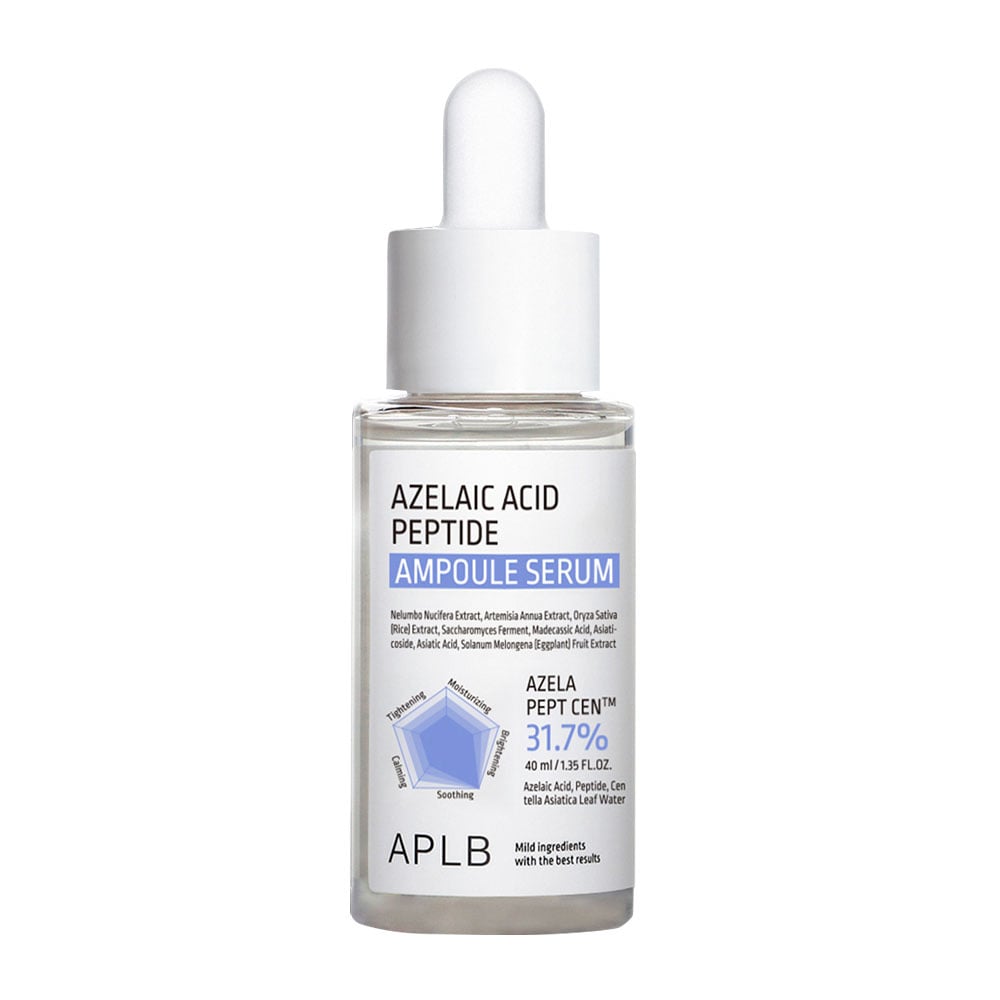
APLB Azelaic Acid Peptide Ampoule Serum – 50ml
Intensive serum that pairs azelaic acid with peptides and Centella. Improves elasticity, helps refine pores, and supports a healthy glow.
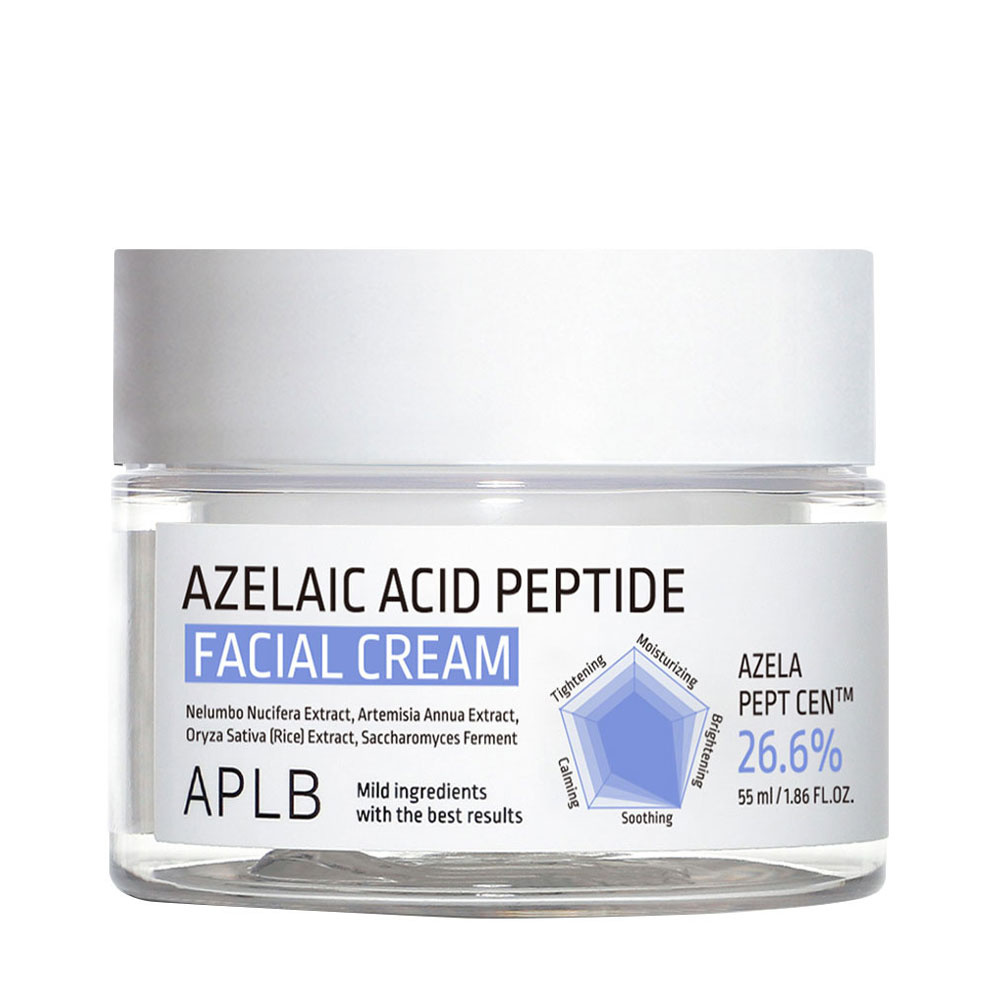
APLB Azelaic Acid Peptide Facial Cream – 50ml
Hydrating cream combining azelaic acid with peptides and Centella Asiatica for smoother, stronger, calmer skin.
Frequently Asked Questions About Azelaic Acid
Is azelaic acid suitable for sensitive skin?
Yes — azelaic acid is a favorite among people with sensitive skin. It’s anti-inflammatory and soothing, which helps reduce redness without disrupting the skin barrier. Introduce it slowly and pair with a hydrating cream.
How do I combine azelaic acid with vitamin C or retinol?
Azelaic acid can be combined with other actives once your skin is accustomed to them. Use vitamin C in the morning and azelaic acid in the evening, or alternate azelaic acid with retinol on different nights. That way you get the benefits without overloading your skin.
Does azelaic acid help with dark spots?
Yes — azelaic acid brightens hyperpigmentation and post-acne marks. It helps reduce excess melanin production so dark spots gradually fade. Combine it with daily SPF to prevent new discoloration.
Where does azelaic acid fit in my routine?
Use azelaic acid after cleanser and toner, before moisturizer. In the morning it helps defend against redness and inflammation; at night it supports skin recovery. With consistent use, your skin will feel smoother, calmer, and more even.
With love,
Team Little Wonderland