

 Products
 Skincare
 LW Gift Guide
 Vegan skincare
 Specific Skincare
 Advent calendar 2026
 Hair Care
 Makeup
 SALE
 Brands

NAD+ and exosomes are often compared because they both play a role in cellular processes and are gaining attention in anti-aging skincare. However, their functions are quite different. In this blog, discover what NAD+ and exosomes actually are, the benefits they may offer, and the key differences between these two trending skincare ingredients.
What is NAD+?
NAD+ stands for nicotinamide adenine dinucleotide. Quite a long and complicated name, but definitely useful to recognize on an ingredient list! It is a coenzyme that naturally occurs in almost all living cells. NAD+ plays an important role in the energy metabolism of your skin cells. Your skin constantly needs energy for various processes, including repairing damage caused by external factors such as UV radiation. This is why NAD+ is increasingly being researched in skincare, especially for its potential benefits for aging, dull, and tired-looking skin. However, more research is still needed to determine how effective NAD+ is when used in cosmetic products.
Our NAD+ Favorites
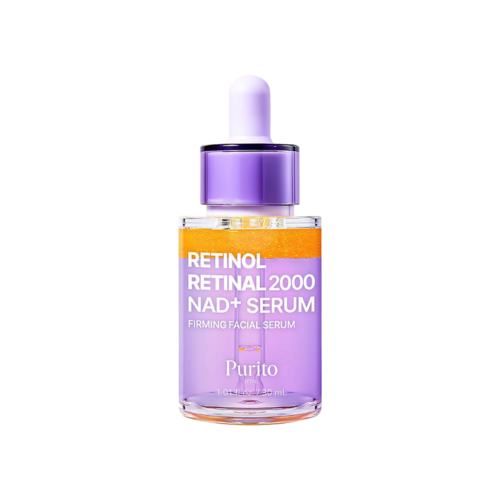
PURITO SEOUL Retinol Retinal 2000 NAD+ Serum
30 ml
This serum combines ingredients such as NAD+ and retinol with nourishing ingredients like glycerin, ceramides, and centella asiatica.
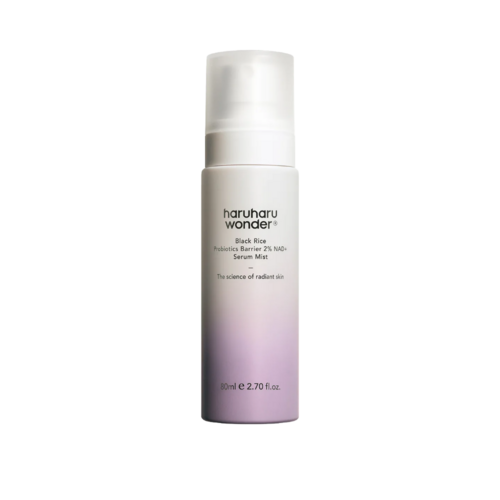
HARUHARU WONDER Black Rice Probiotics Barrier NAD+ Serum Mist
80 ml
This serum mist combines the convenience of a refreshing mist with the nourishing benefits of a serum, thanks to ingredients such as NAD+.
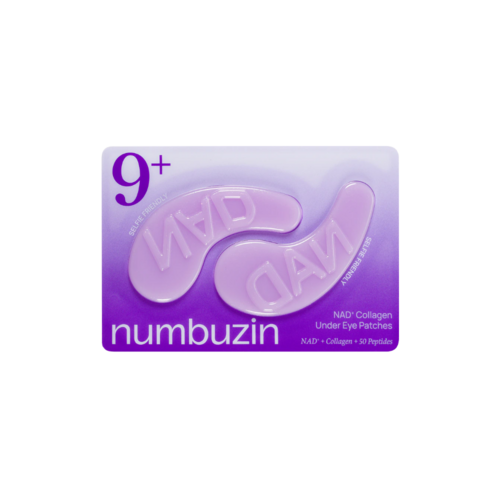
Numbuzin No.9 NAD+ Collagen Under Eye Patches
NAD+ and other anti-aging ingredients come together in a cooling formula that refreshes and nourishes the delicate skin around the eyes.
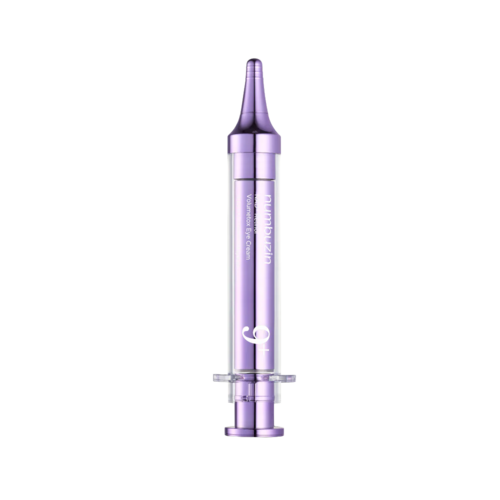
Numbuzin No.9 NAD+ Retinol Volumetox Eye Cream
10 ml
A nourishing eye cream that combines anti-aging ingredients with intense hydration, leaving the skin around the eyes feeling fresh and supple.
What are exosomes?
Exosomes are microscopic vesicles that cells use to exchange substances and signals with one another. You can think of them as tiny messengers between cells. They naturally play a role in various processes, including cell communication. On skincare ingredient lists, you may sometimes come across terms such as Extracellular Vesicles. Ingredients such as Callus Culture or certain botanical extracts are also sometimes associated with exosome technology. However, this does not automatically mean that these ingredients actually contain exosomes. In skincare, exosomes are being researched for their potential benefits for skin texture and overall skin care, although more research is needed to confirm their effectiveness.
Our Exosome Favorites

APLB Exosome Collagen Ex Cream
55 ml
This cream combines exosome technology and collagen with a Centella 3X Complex for a nourishing, soothing, and hydrating formula.

APLB Exosome Collagen Ex Serum
40 ml
This nourishing serum combines exosome technology, hydrolyzed collagen, and centella asiatica leaf water to leave the skin feeling supple and firmer.
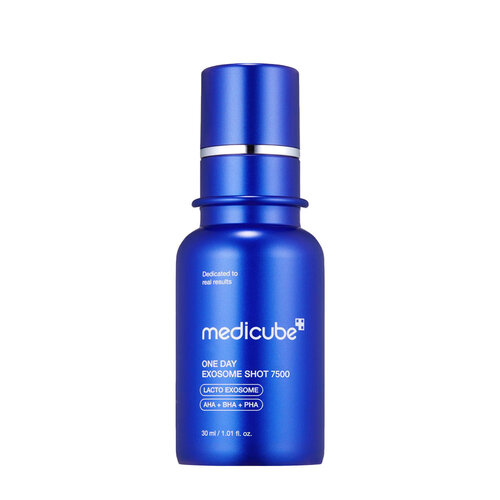
Medicube One Day Exosome Shot Pore Ampoule 7500
30 ml
This intensive ampoule with exosome technology is designed to refine skin texture and reduce the appearance of pores, leaving the skin looking smoother.
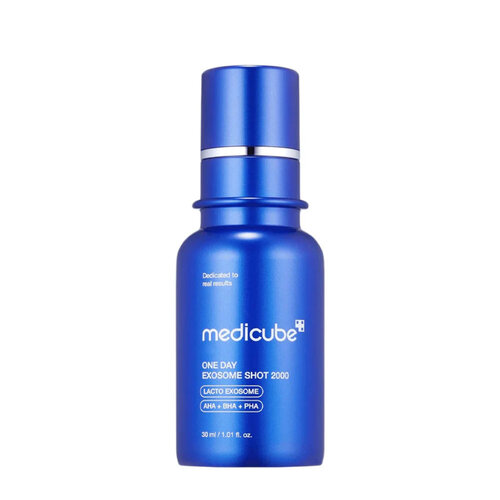
MEDICUBE One Day Exosome Shot Pore Ampoule 2000
30 ml
A nourishing serum with exosome technology that focuses on refining skin texture and minimizing the appearance of pores for a smoother, more even-looking complexion.

Medicube Exosome Cica Pad
100 pads
These toner pads with Exosome Cica technology help soothe the skin, remove dead skin cells, and refine skin texture for a fresh, even-looking complexion.
What are the benefits of NAD+?
- Plays an important role in cellular energy metabolism
- Is involved in natural processes such as DNA repair
- Is being researched for its potential benefits for skin aging
Interesting for: skincare targeting dull, tired-looking, or mature skin.
What are the benefits of exosomes?
- Naturally play a role in cell communication
- Are being researched for their potential role in skin repair
- Are of interest in skincare focused on smoother skin texture
Interesting for: skincare focused on skin care and revitalization.
What do NAD+ and exosomes have in common?
Both NAD+ and exosomes are being researched for their potential roles in skin aging and processes involved in skin repair. However, that does not mean they work in the same way. NAD+ is a coenzyme involved in cellular energy metabolism, while exosomes help cells communicate with one another. So, they actually have less in common than you might think! This also means you do not necessarily have to choose between the two. They serve different purposes and can both be part of the same skincare routine, depending on the products you use.
What are the differences between NAD+ and exosomes?
The biggest difference lies in how they work. NAD+ plays an important role in energy production and other processes within cells, while exosomes act as messengers between cells. You can think of NAD+ as part of your skin cells' energy system, while exosomes help cells communicate with one another. Although both are gaining attention in anti-aging skincare, they are two very different substances, each with its own function.
Frequently Asked Questions
Can I use retinol and NAD+ together?
Yes, retinol and NAD+ can generally be used together in a skincare routine. There are no known direct conflicts between these ingredients. However, it is important to introduce retinol gradually, as it can cause skin irritation. Start by using it a few times a week and remember to apply SPF during the day.
Are exosomes safe in skincare?
Exosomes are a promising topic in skincare, but there is still relatively limited clinical research on their long-term safety and effectiveness. Their safety depends on several factors, including the source of the exosomes and the overall product formulation. That is why it is important to choose reliable skincare brands and follow the product instructions.
Is NAD+ a peptide?
No, NAD+ and peptides are two completely different substances. NAD+ is a coenzyme that plays an important role in cellular energy metabolism. Peptides, on the other hand, are short chains of amino acids that can perform various functions in the skin. The confusion sometimes comes from the fact that both NAD+ and peptides are frequently mentioned in anti-aging skincare.
Are NAD+ patches effective?
There is currently limited clinical evidence supporting the effectiveness of NAD+ patches. Although NAD+ plays an important role in cells, there is not yet enough evidence to determine how much NAD+ can actually be absorbed through the skin when delivered via patches or what benefits this may provide.